Latest Posts
-
Automotive Startup Voltage Analysis: 2.3L NA Engine with LiFePO4 Battery
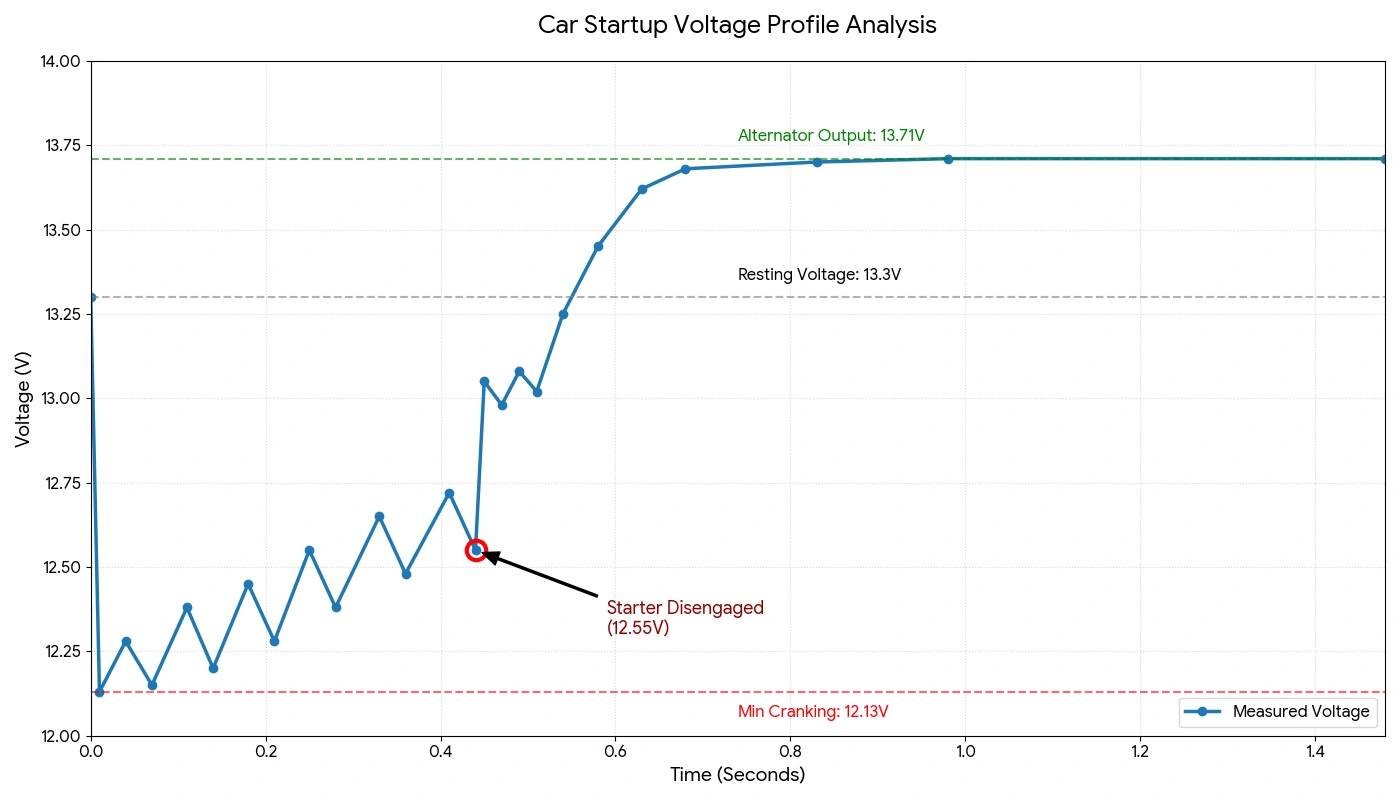 Break down the myth of 'startup voltage'! Using high-frequency data (0.05s intervals), we analyze the physical performance of a 4S LiFePO4 battery during engine ignition. Learn how internal resistance affects voltage drop and alternator charging efficiency through the formula V = V0 - (I x R).
 -
BM6/BM200 Battery Log Analyzer: Intelligent Trip Detection & Data Export
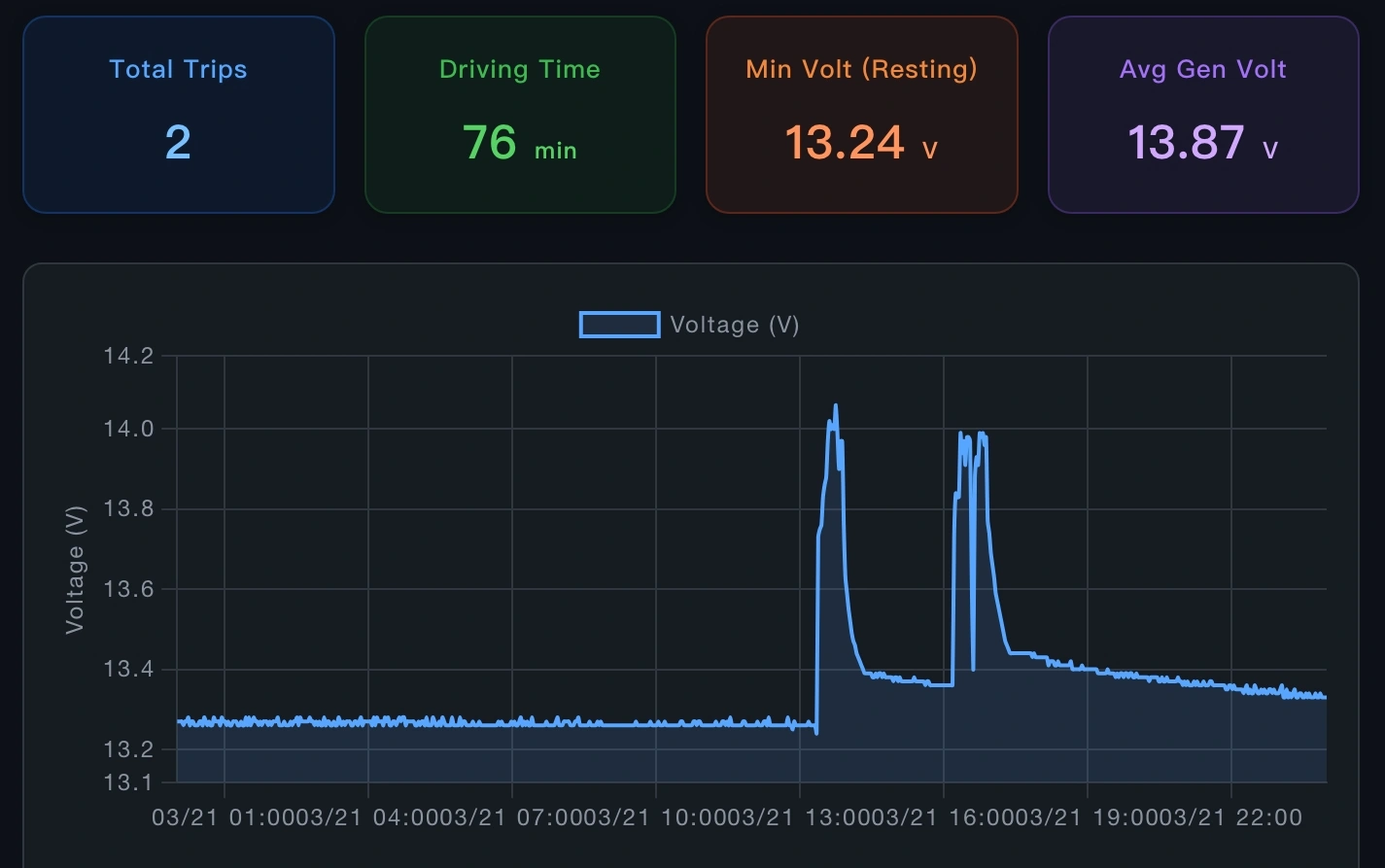 A web-based log conversion tool designed specifically for the BM6/BM200 Bluetooth Battery Monitor. Using an intelligent algorithm, it solves the trip detection inaccuracies caused by the high-voltage characteristics of LiFePO4 batteries. Restore every trip accurately, visualize data with charts, and export detailed Excel reports.
 -
The Physics of Unsprung Mass: Does 1kg Really Equal 10kg?
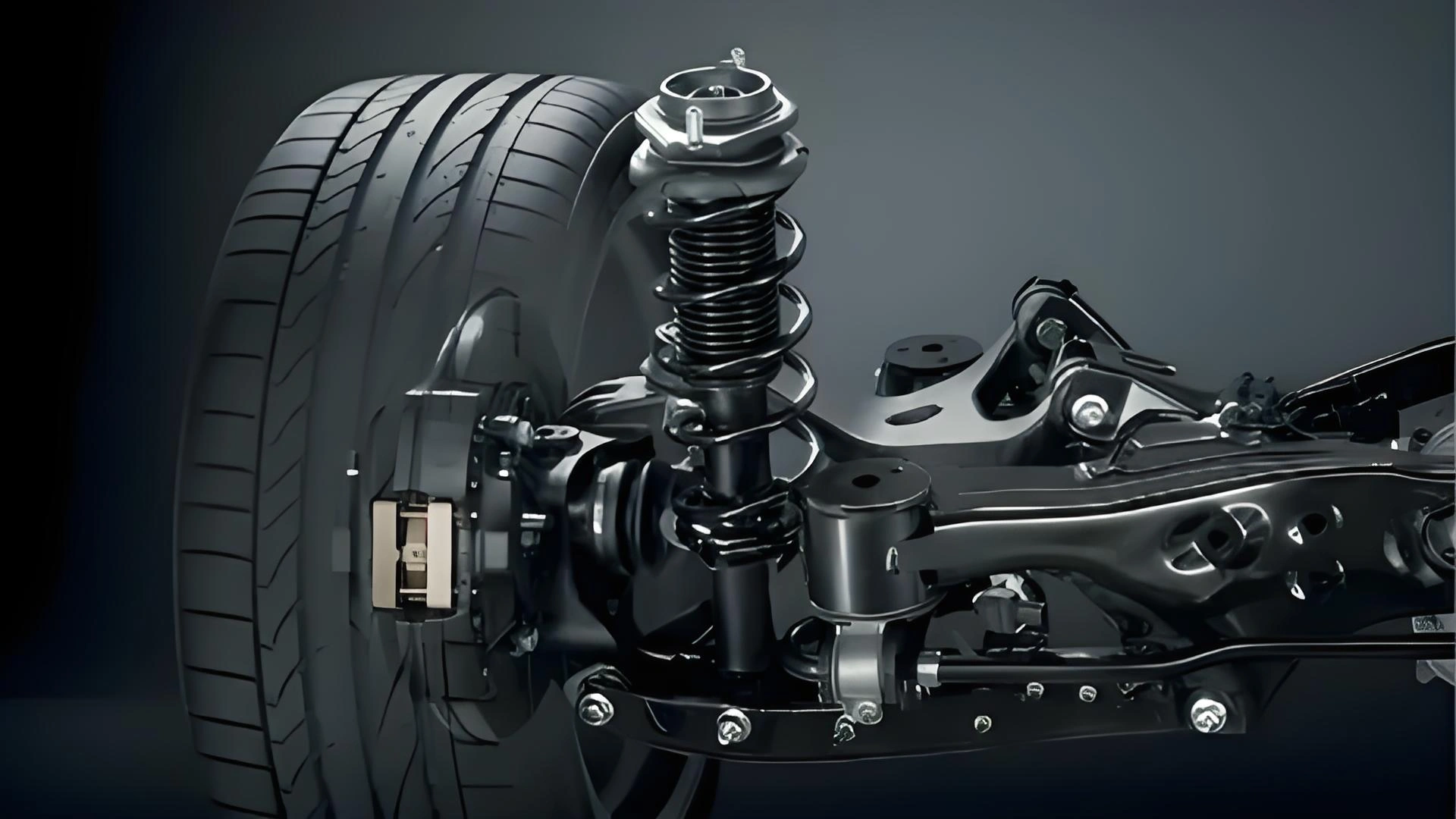 We've all heard the saying: '1kg of unsprung weight equals 10kg of sprung weight.' But is it scientifically accurate? This article dives into the physics of rotational inertia and suspension dynamics to reveal the truth about how wheel weight affects acceleration and handling.
 -
Wheel Aerodynamics: Why EVs and Performance Cars are Returning to 'Dish' Designs
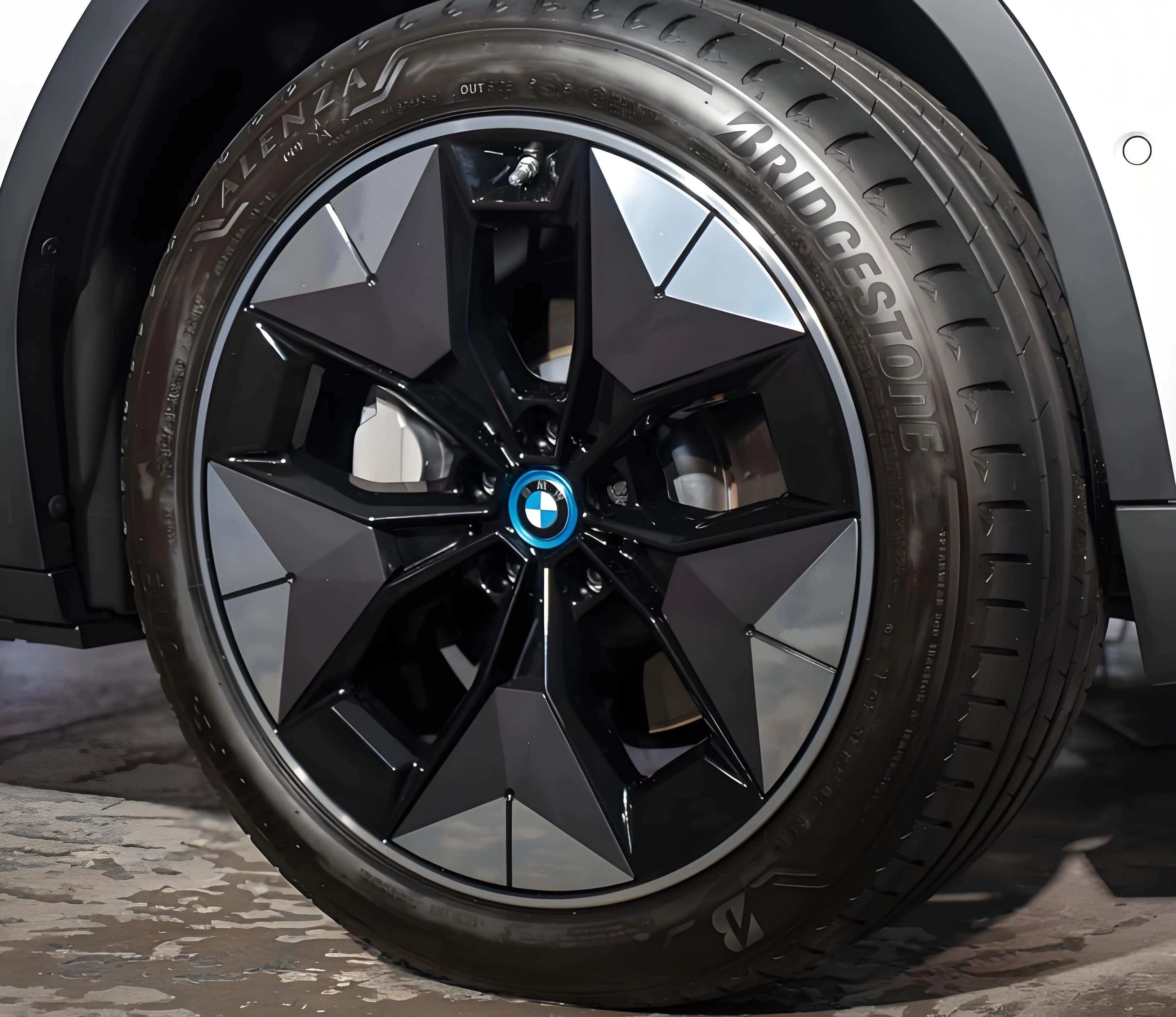 Following the trend in F1, more electric vehicles are adopting closed-off 'Aero Wheels.' Step into the wind tunnel to understand how ventilation drag affects high-speed cruising and explore the aerodynamic revolution in modern wheel design.
 -
Why Lightweight Wheels Might Increase Fuel Consumption and Reduce Top Speed?
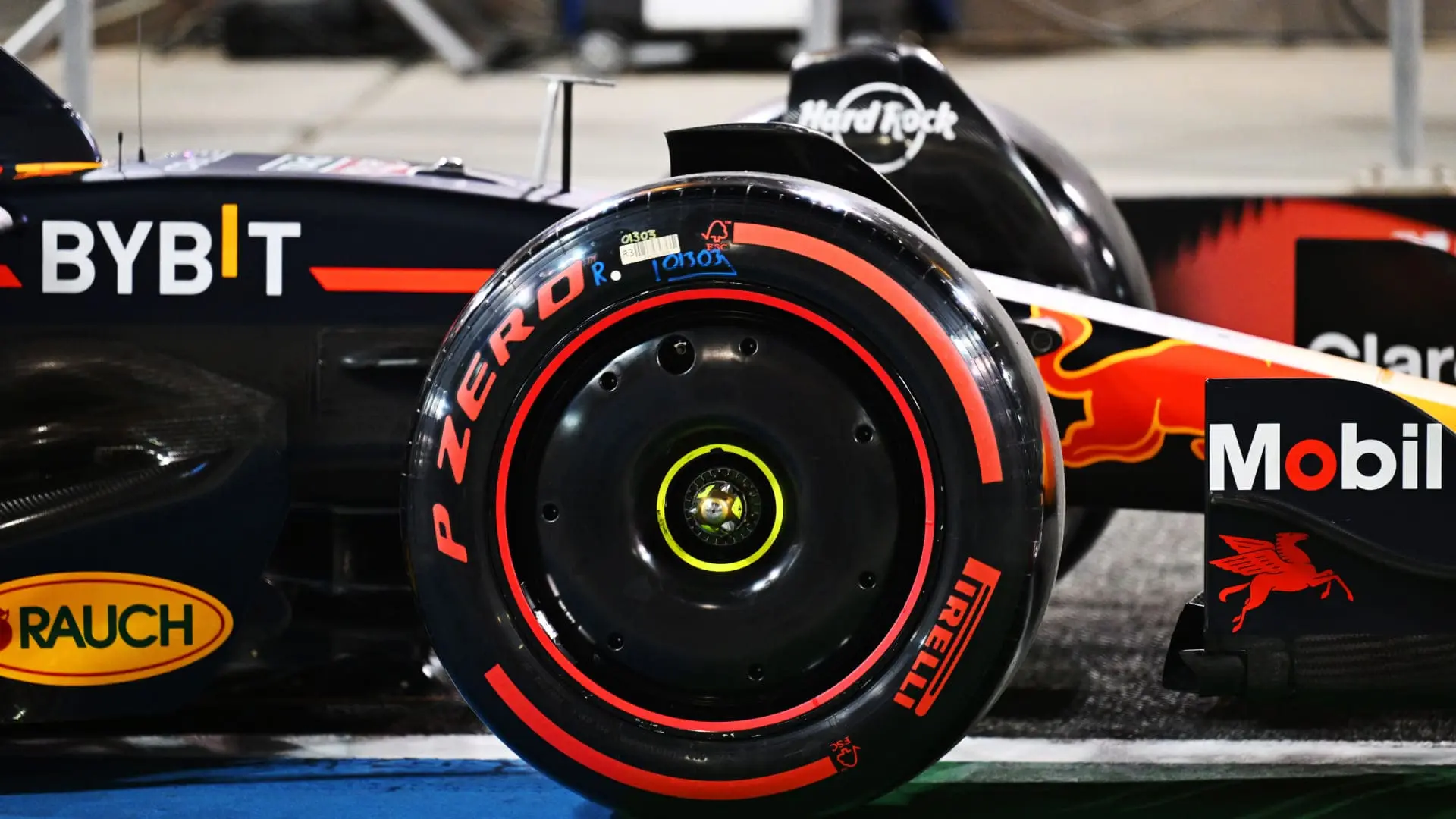 Many believe that upgrading to lightweight wheels (like forged rims) improves fuel efficiency and acceleration. However, at high speeds, aerodynamic drag and rotational inertia become the dominant factors. This article combines physics and F1 technology to reveal why 'lightweight' and 'upsizing' can sometimes lead to higher fuel consumption, lower top speeds, and compromised rigidity.
 -
Taiwan Freeway Service Area Gas Station Guide: Freeway 1 & 3
 Planning a road trip in Taiwan? This guide summarizes the gas station information for major service areas along Freeway 1 and Freeway 3, including location (mileage), brands (CPC/FPCC), and availability for northbound and southbound directions.
 -
W205 Oil Journey (7) - MB Approval + LSPI Prevention 5W-30 (Part 2)
 How to choose the best oil for your W205? This article provides an in-depth analysis of SDS and TDS data for Shell Helix Ultra, Total Ineo MC3, and Castrol Edge M 5W-30 oils. Featuring 2026 updates on API SQ certifications and the latest GTL base oil parameters.
 -
W205 Oil Selection (3) - MB Approval + LSPI Prevention 5W-30 (Part 1)
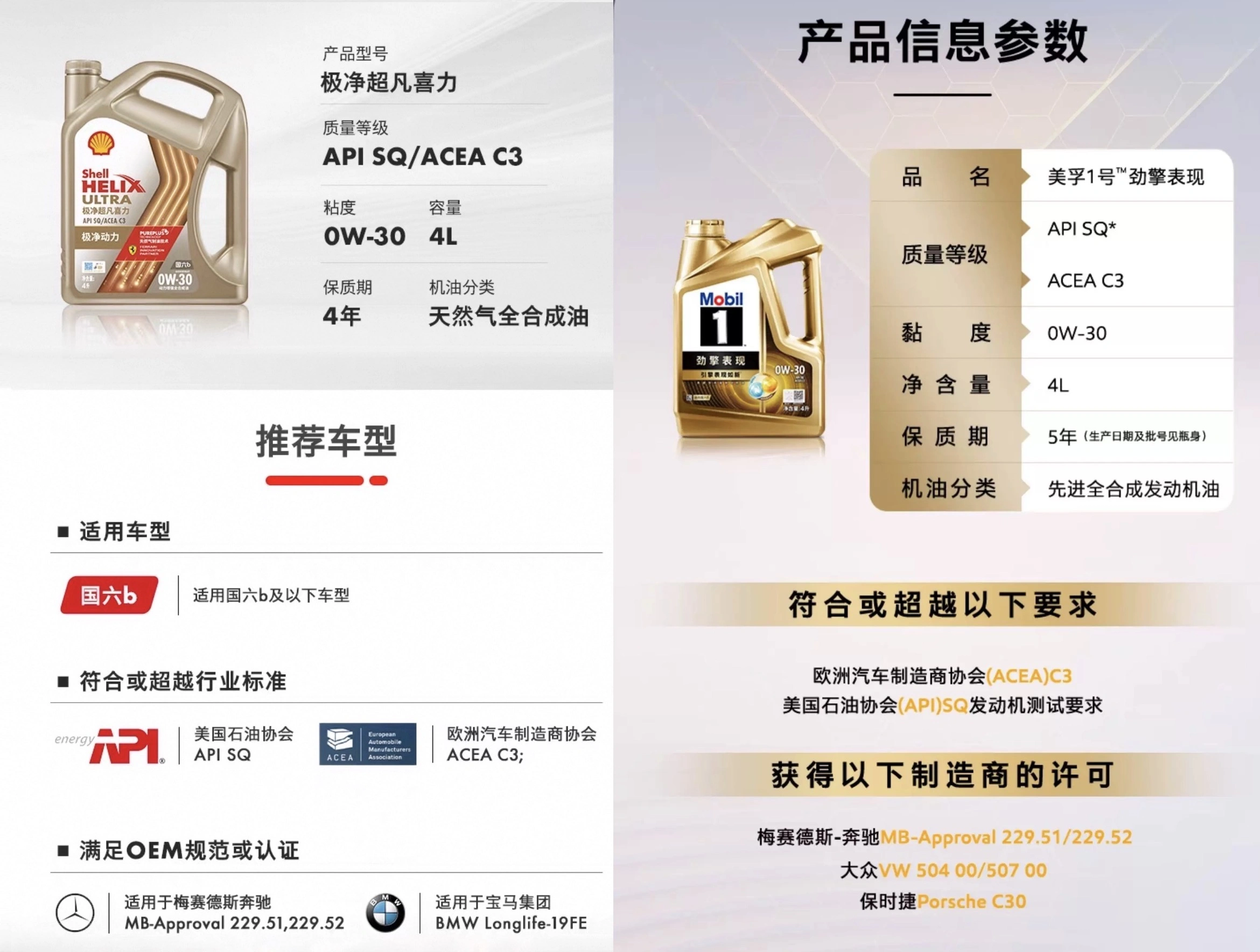 Is your W205 direct-injection engine at risk of knocking? This article explains the causes and prevention of LSPI (Low-Speed Pre-Ignition) and lists 5W-30 oils available in Taiwan that meet MB 229.5/52 and LSPI tests (API SQ/SP).
 -
Technical Notes: Principles of 3D Wheel Alignment
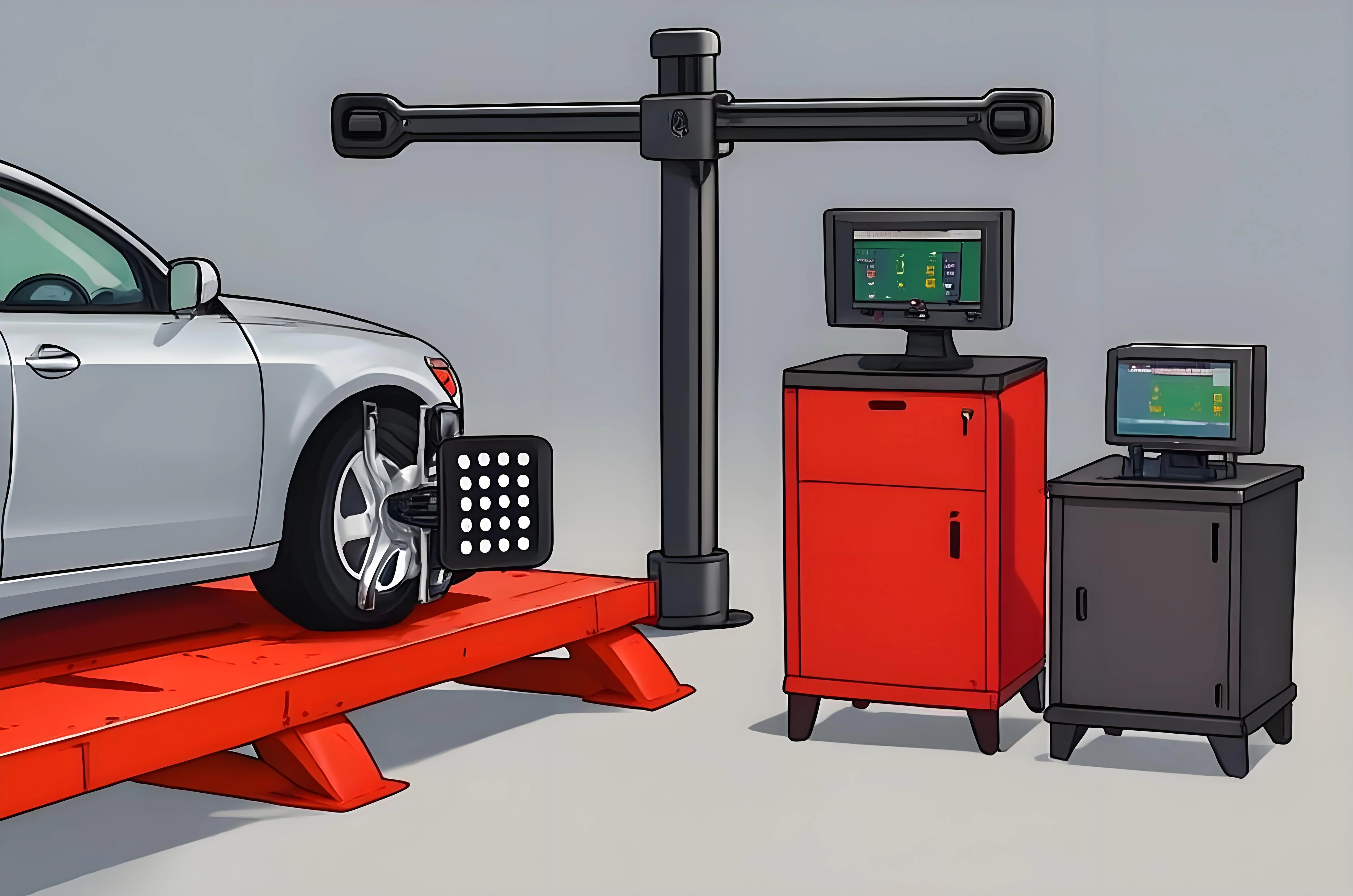 An in-depth look at the mathematical principles, optical design, and error correction behind 3D wheel alignment systems—essential knowledge before your next tire change or chassis service.
 -
Understanding Wheel Alignment: The Hidden Heroes of Driving Dynamics
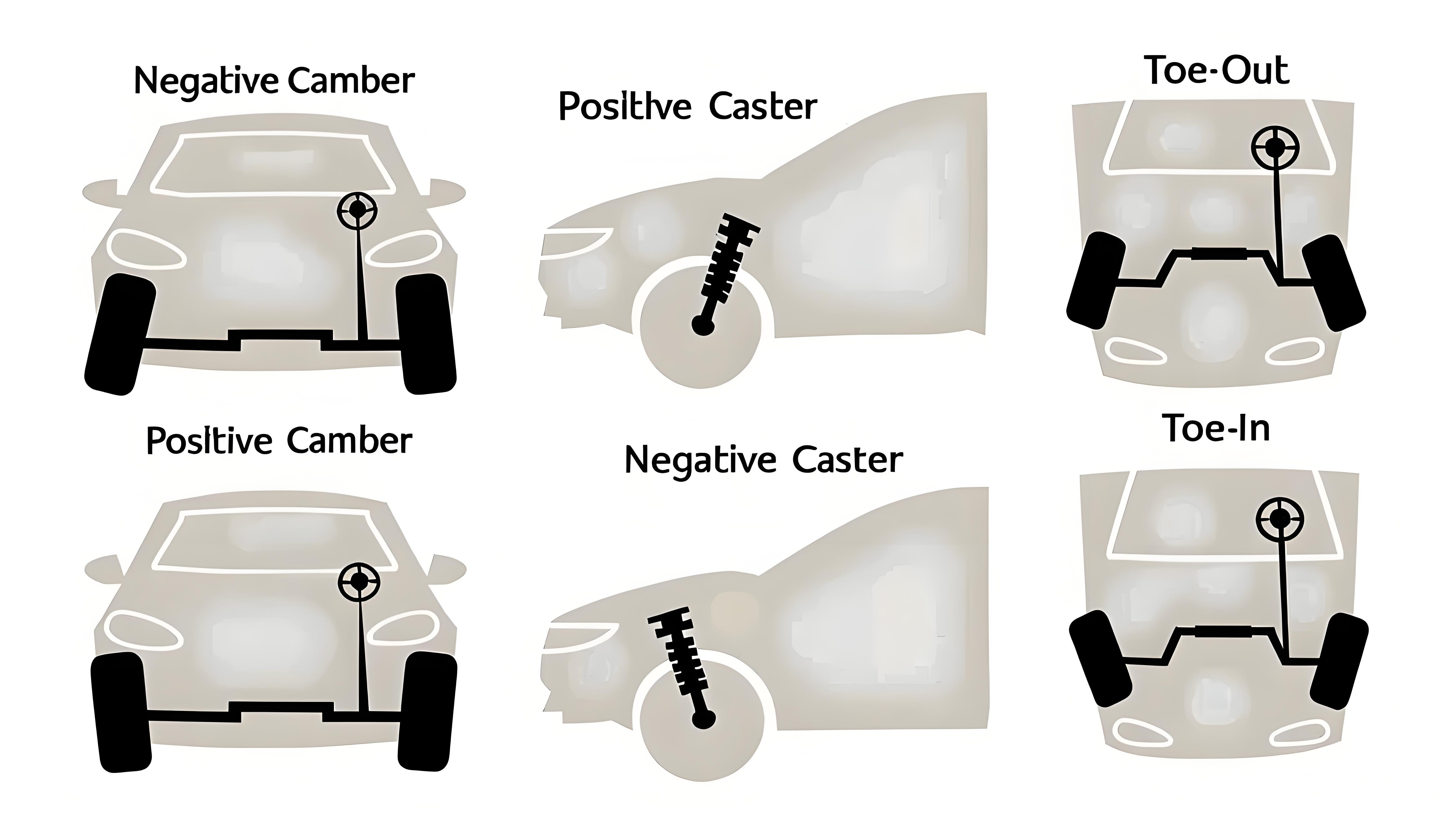 Is your car drifting or showing uneven tire wear? It's time to understand Wheel Alignment! This article provides a simple guide to Camber, Caster, and Toe, explaining how Toe-in and Toe-out affect handling and tire longevity.
 -
Supercapacitor Internal Resistance Calculator
 Sellers claim a massive drop in internal resistance after adding a supercapacitor? Use this online parallel resistance calculator to reverse-calculate the actual internal resistance of the capacitor. Simply enter your battery's original resistance and the total resistance after installation to see if the upgrade is worth the investment.
 -
MG HS: Upgrading to Houny LiFePO4 Battery LN2
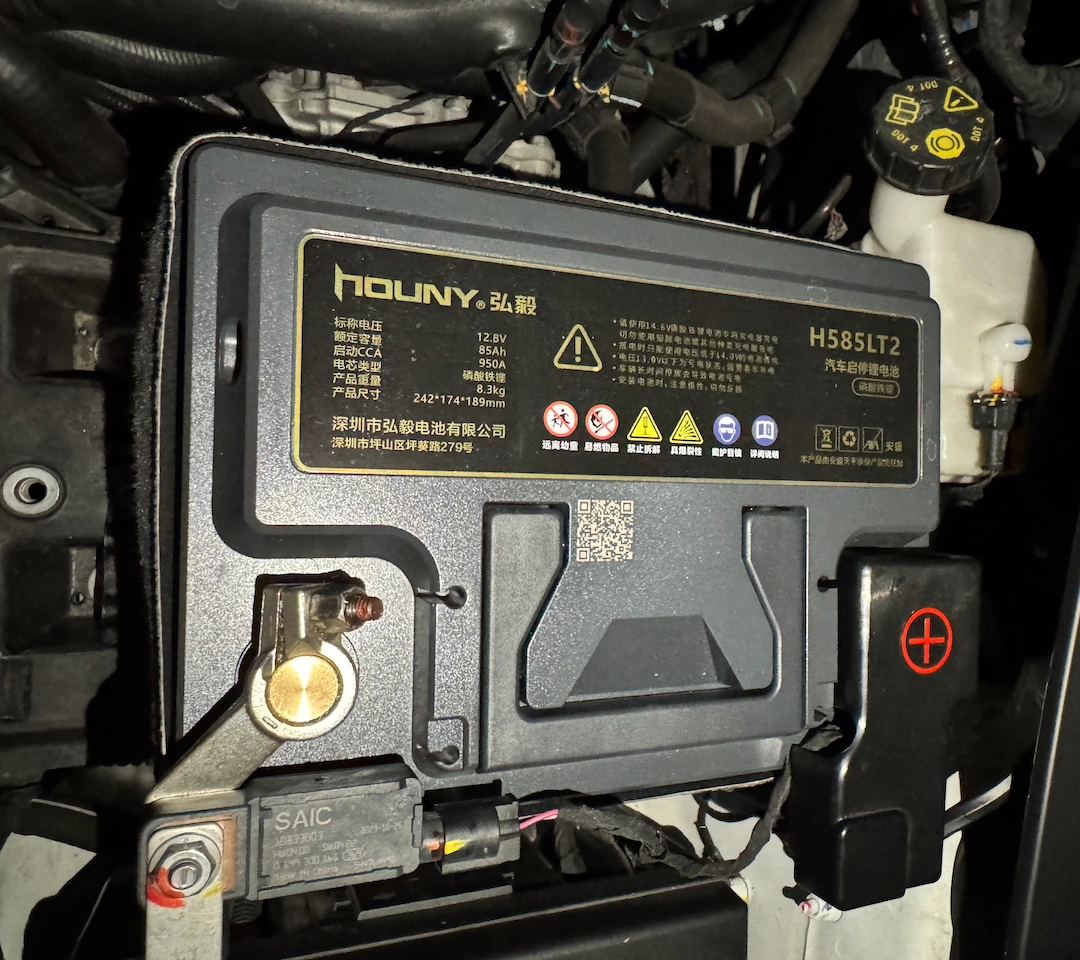 Is your MG HS 1.5T factory battery failing? This guide shares the full DIY process of upgrading to a Houny LN2 85Ah LiFePO4 battery. Learn the step-by-step memory-saving installation to avoid ECU errors and improve electrical stability and fuel efficiency.
 -
LiFePO4 vs. Supercapacitors: Why Lithium Wins and Capacitors are a Gimmick
Still debating between upgrading to a LiFePO4 battery or adding a supercapacitor? This article uses the parallel resistance formula, current shunt principles, and internal resistance data to reveal why LiFePO4 far outclasses supercapacitors, and why external capacitors might actually harm your car's electrical health. -
ND8 Refrigeration Oil vs. Standard PAG: Key Advantages for Denso Compressors
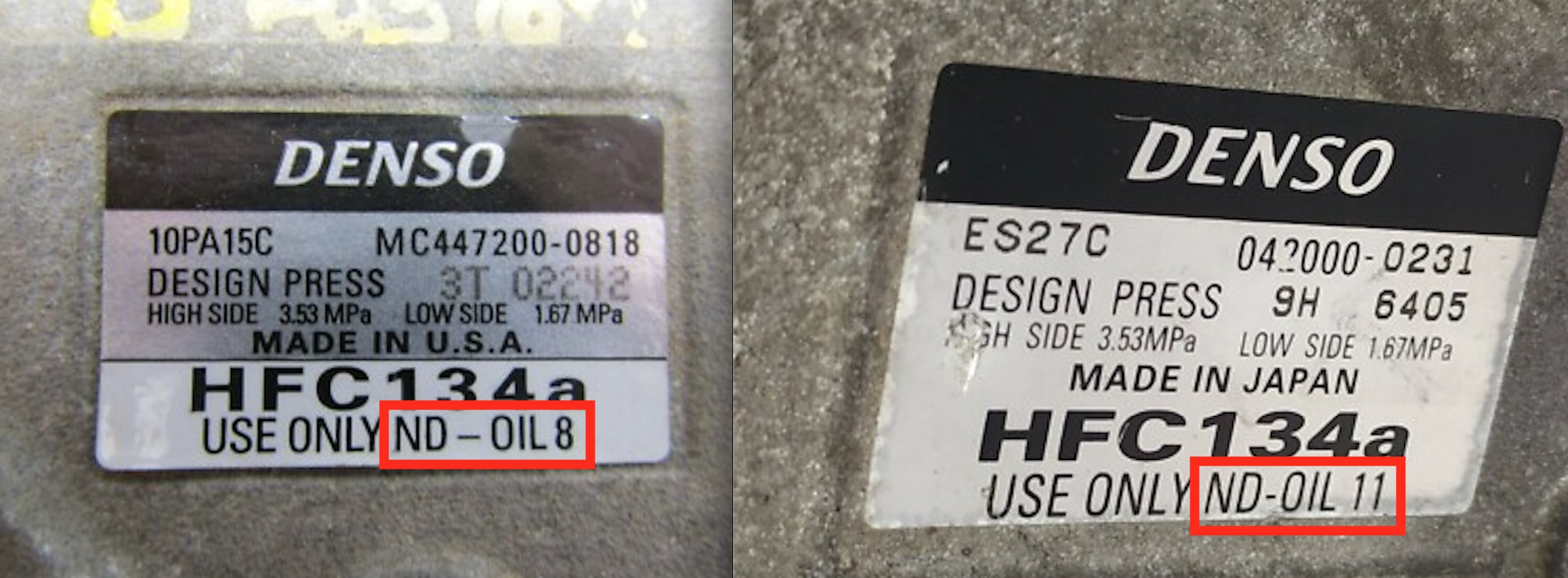 What oil is used in your Toyota or Honda A/C compressor? Understand the differences between Denso-specified ND8 refrigeration oil and standard PAG oils. This article explains ND8's advantages in oxidation stability, low hygroscopicity, and compressor protection.
 -
Deep Dive into API SQ Certification: Comparison Chart with SP, SN, and SM
 The API SQ engine oil certification has officially arrived! This article provides a comprehensive comparison between API SQ and its predecessors: SP, SN, and SM. Data proves that the new standard enhances protection against wear, LSPI, and turbocharger deposits, debunking the 'new is worse than old' sales myth.
 -
Car Battery Memory Saver Guide: OBD-II Memory Saver Usage and DIY Precautions
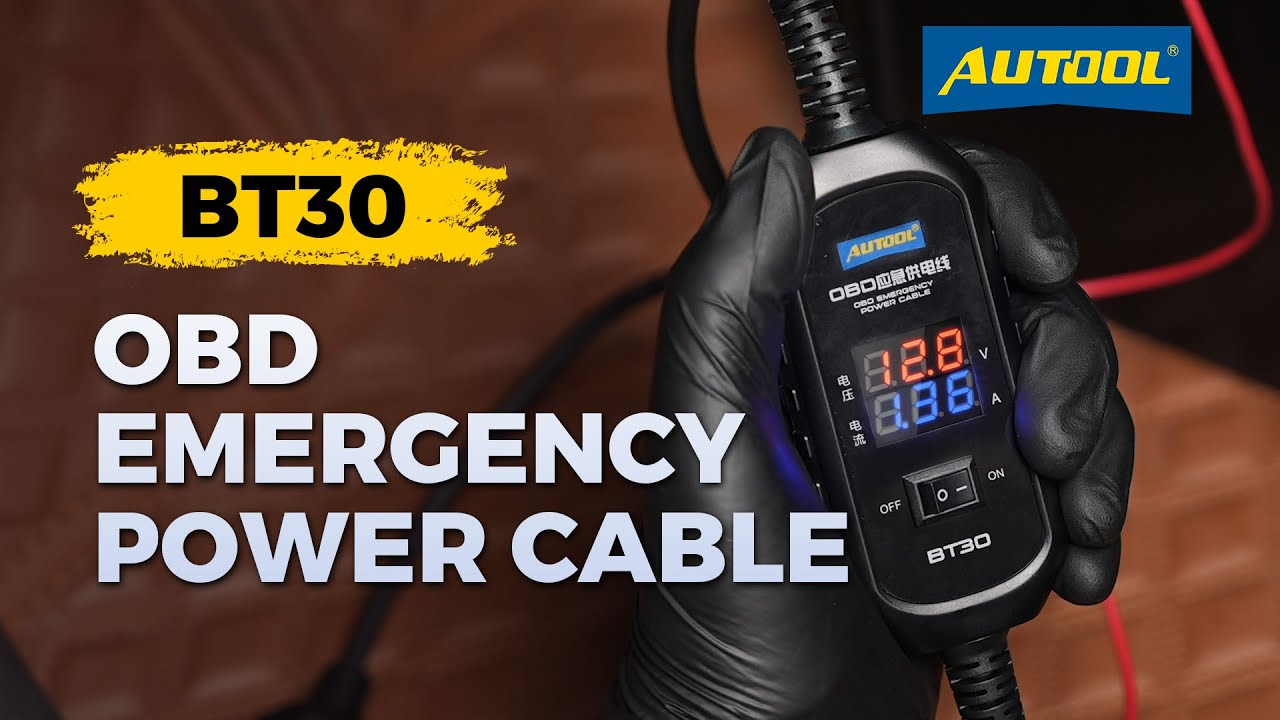 Afraid of losing your car's computer settings during a DIY battery replacement? This article provides a detailed guide on using an OBD-II memory saver. Learn about the 5 key precautions, including preventing throttle body idle issues, insulating the positive terminal, and resetting the BMS.
 -
Power Consumption and Recharging Analysis: Does Starting Your Car Drain the Battery?
 How much power does it actually take to start a vehicle? Do short trips really damage your battery? This article uses detailed data to analyze startup consumption (Ah) from 125cc motorcycles to 3.0L cars and calculates the recharging time required by different alternators to debunk common battery myths.
 -
The Truth About Engine Oil Shelf Life and Gray Market Risks
 Does engine oil really last forever if unopened? Explore the risks of cheap, long-term stock oils. This article analyzes chemical oxidation, physical precipitation (caking), antifoam agent failure, and the 'breathing effect' in bottles. Special focus on the hygroscopic nature of ester oils like Motul 300V.
 -
The Fatal Flaws of LTO in Automotive Use: Why 5S Overcharges and 6S Undercharges
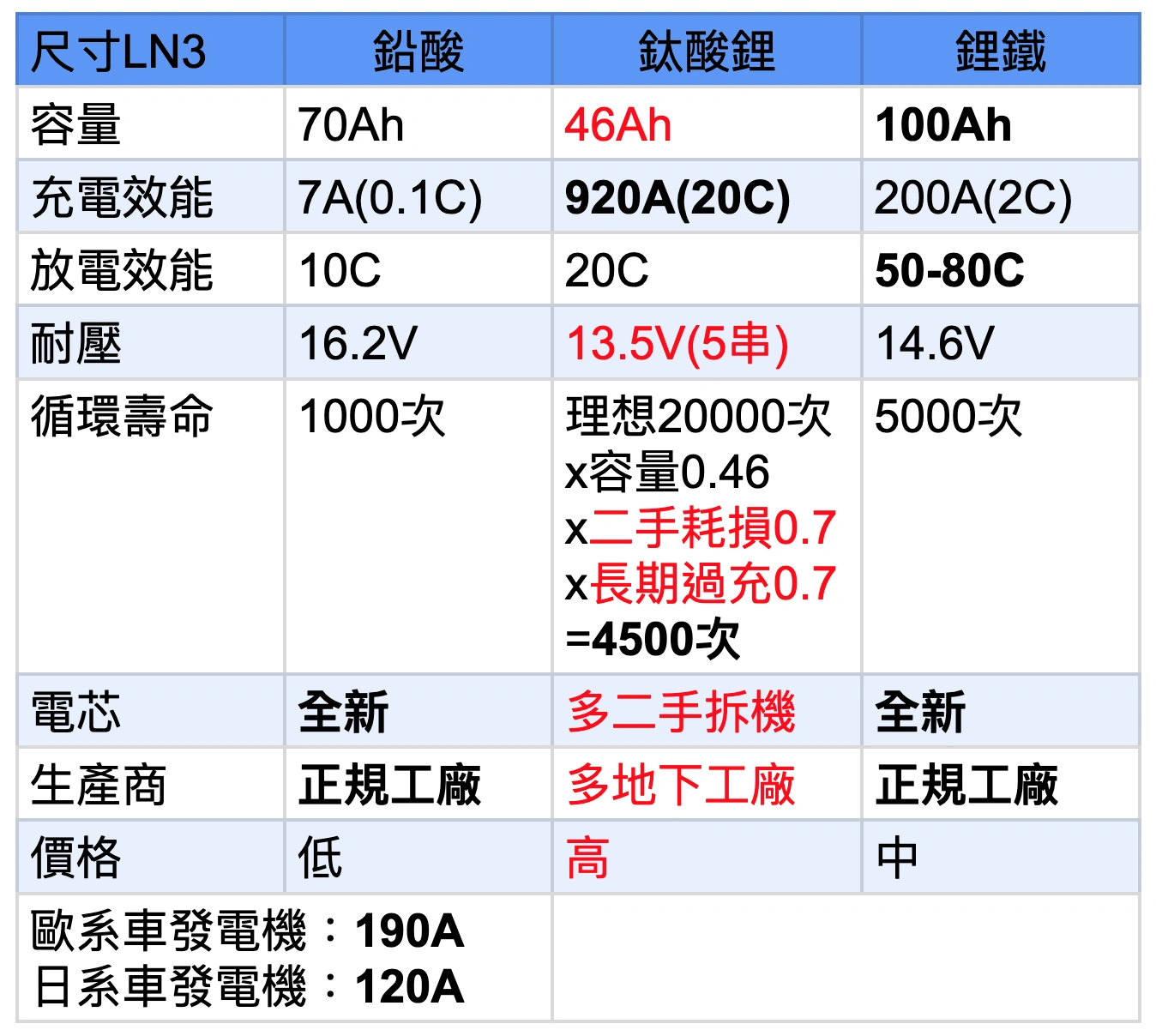 Thinking about upgrading to a Lithium Titanate (LTO) battery? Understand the voltage mismatch first. This article analyzes why a standard 14V car alternator causes 5S LTO packs to fail from overcharging and 6S packs to only utilize 30% of their capacity. Reveal the truth behind high CCA claims in LTO batteries.
 -
LiFePO4 vs. Lead-Acid: How Large is the Discharge Speed Gap?
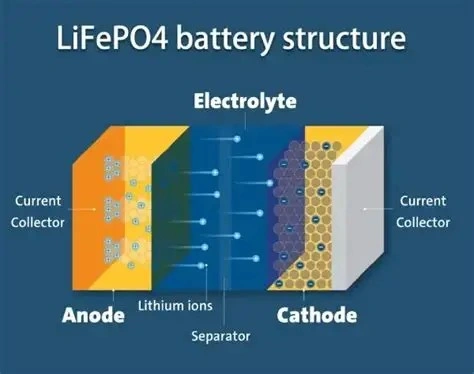 Is that punchier start after switching to a lithium battery just a placebo? It's actually pure science. This article analyzes electrochemical kinetics to reveal the massive gap between LiFePO4 (<10ms) and Lead-Acid (500ms) discharge speeds, explaining how low internal resistance boosts ignition efficiency and electrical system response.
 -
Notes on Choosing Window Tint: Understanding TSER, Metal vs. Ceramic Films
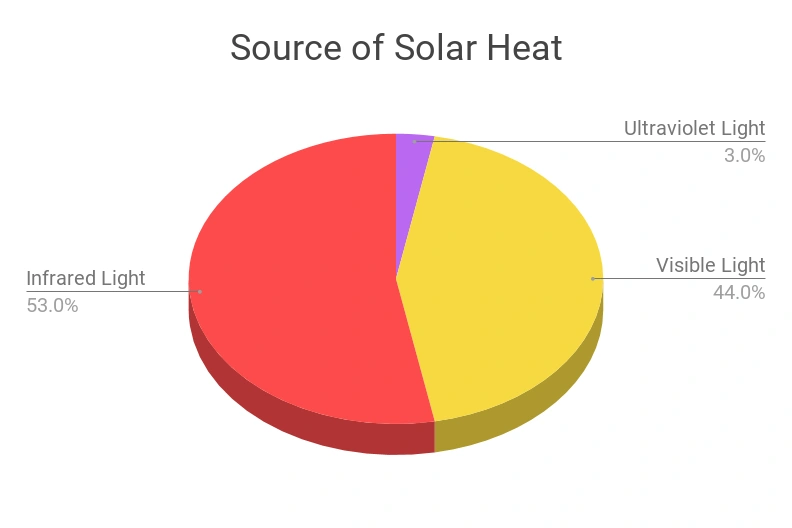 Don't just look at Infrared Rejection (IRR) when choosing window tint! This article summarizes major IWFA-certified brands (Solargard, V-KOOL, 3M, etc.) and analyzes key parameters like TSER (Total Solar Energy Rejected) and Internal Reflection. Learn the pros and cons of metallic vs. ceramic films.
 -
The Impact of Battery C-rate on Fuel Efficiency and Alternator Lifespan
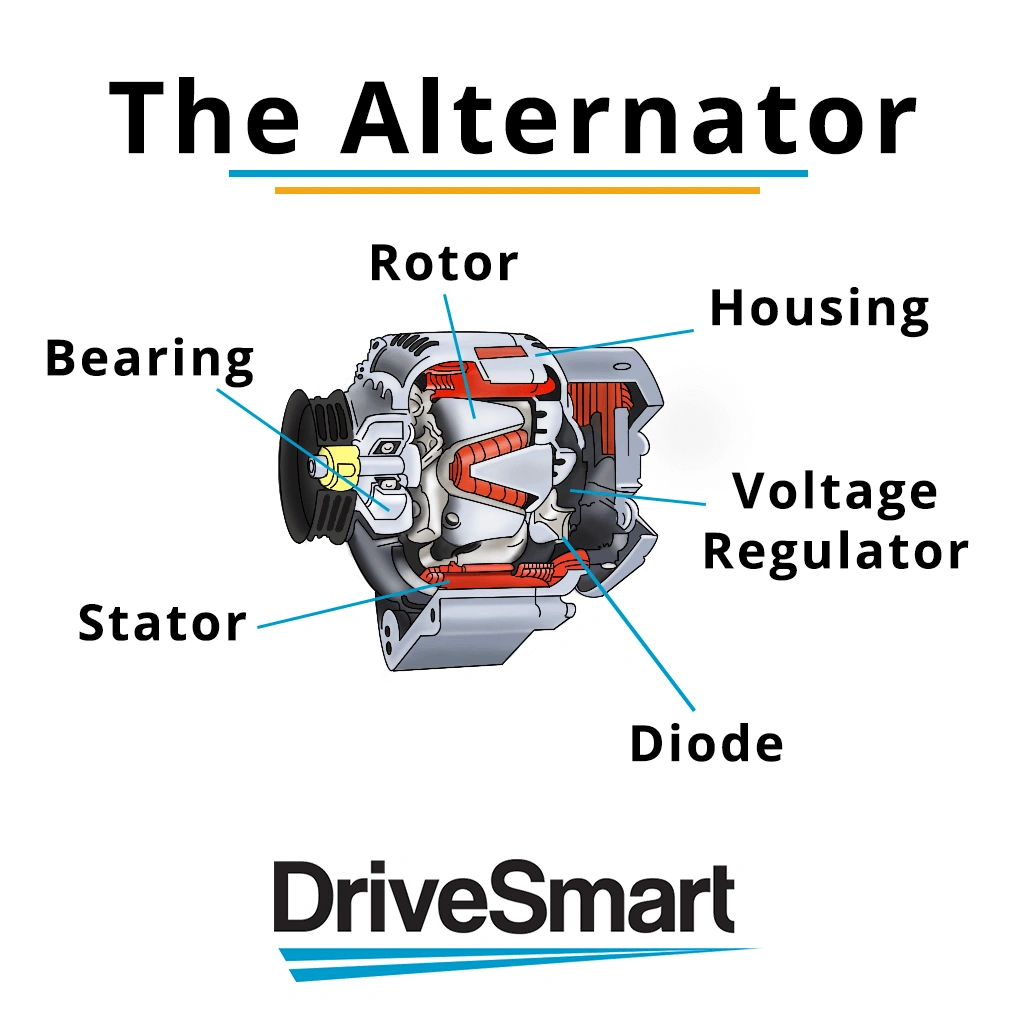 Does your car have a 'Charging Control' system? This article explains the relationship between alternator operation and battery C-rate (Charge/Discharge rate). By comparing lead-acid and lithium batteries, we reveal why a high C-rate battery reduces alternator load, extends carbon brush life, and optimizes fuel economy. We also analyze why Lithium Titanate (LTO) might not be the best choice for a starter battery.
 -
Why Measuring CCA for Lithium Batteries is Meaningless
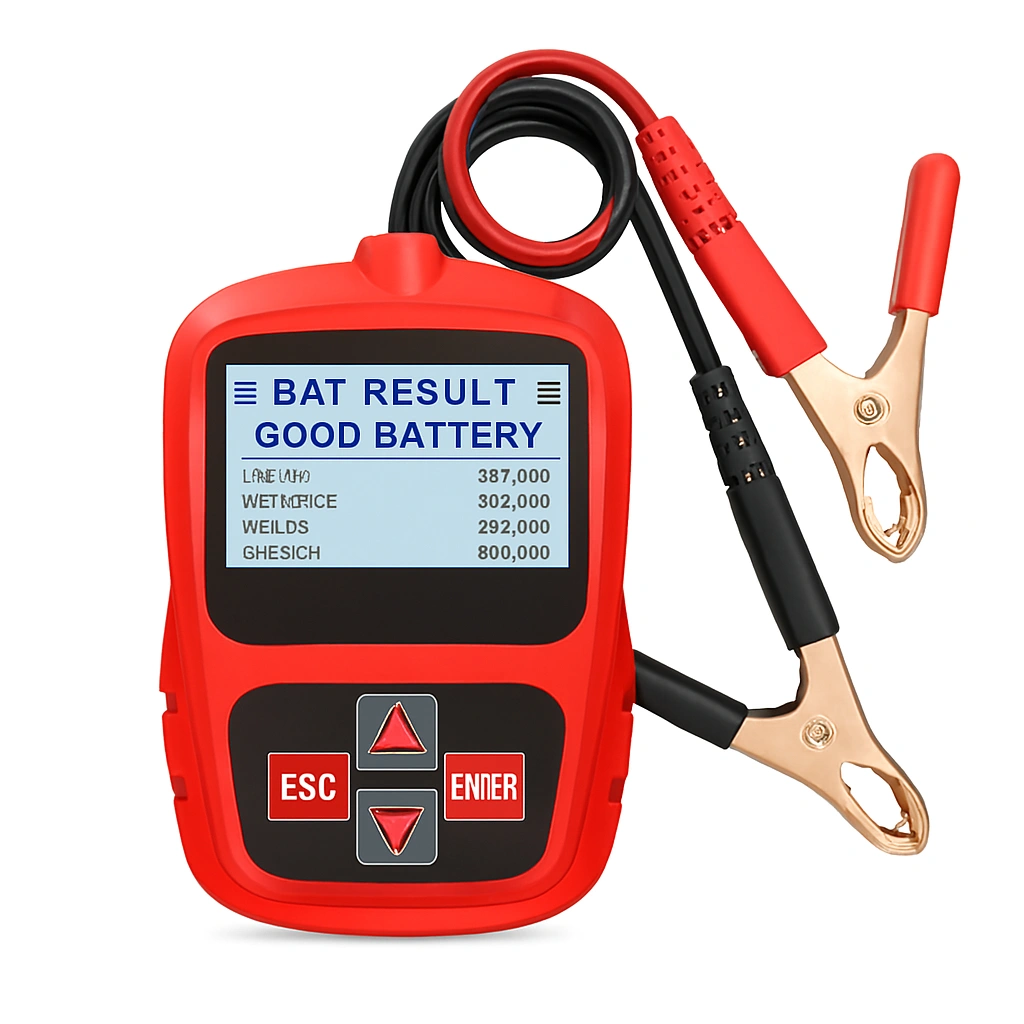 Is your CCA tester accurate for LiFePO4 batteries? The answer is: it's meaningless. This article analyzes the principles of internal resistance estimation and explains why lead-acid testing logic fails when applied to Lithium or LTO batteries. Learn how to correctly interpret lithium battery specifications.
 -
W205 Upgrade: Green Run 2 LiFePO4 Battery (Updated 2025/12/15)
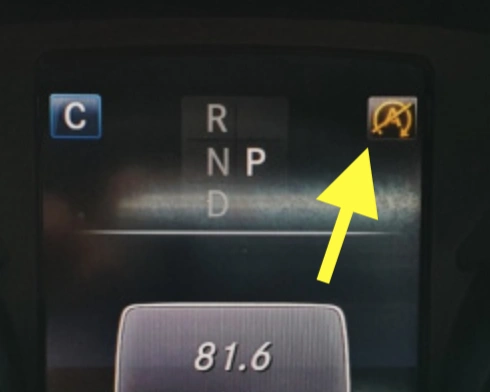 Is your Benz W205 (C300/C250) Idle Stop-Start failing? Is the factory AGM battery aging? This article shares a real-world review of replacing it with the Green Run 2 LiFePO4 battery from Great Power. Includes a comparison of RCE, Mashin, and Houny, installation steps, and an analysis of weight reduction and fuel efficiency.
 -
Nissan Sentra B17: Upgrading to Houny LiFePO4 Battery B24L
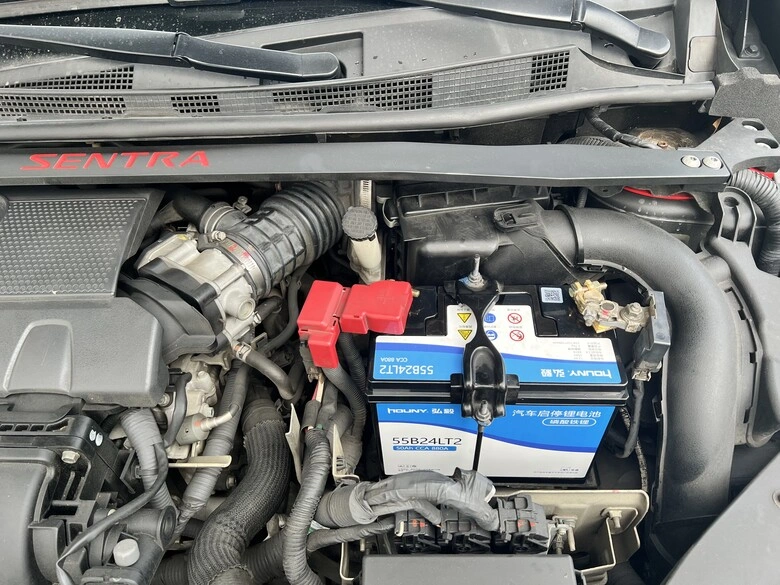 Full record of upgrading a Nissan Sentra B17 to a Lithium Iron Phosphate (LiFePO4) battery! Replacing the factory lead-acid battery with a Houny 55B24L. This guide covers unboxing details, OBD-II backup power (memory saver) installation, and solutions for terminal size mismatches.
 -
Technical Notes: Transmission Oil Circuits and Filter Systems
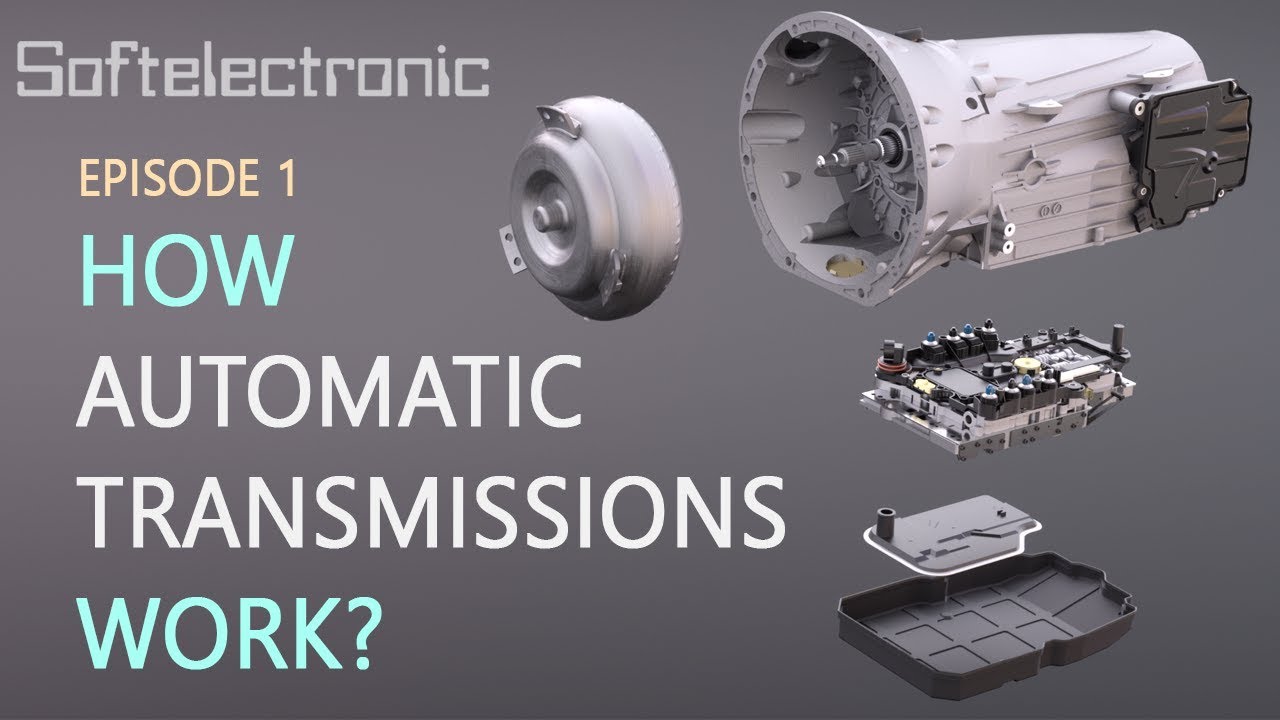 Is a dirty transmission oil pan a sign of impending failure? The key is actually the filter! This article analyzes the differences between traditional filters, dual-filter designs, and 'non-replaceable' filters through oil circuit diagrams. Uncover why certain designs are built for planned obsolescence and learn the correct transmission maintenance concepts.
 -
Transverse FWD vs. Longitudinal RWD: What are the Actual Differences in Handling?
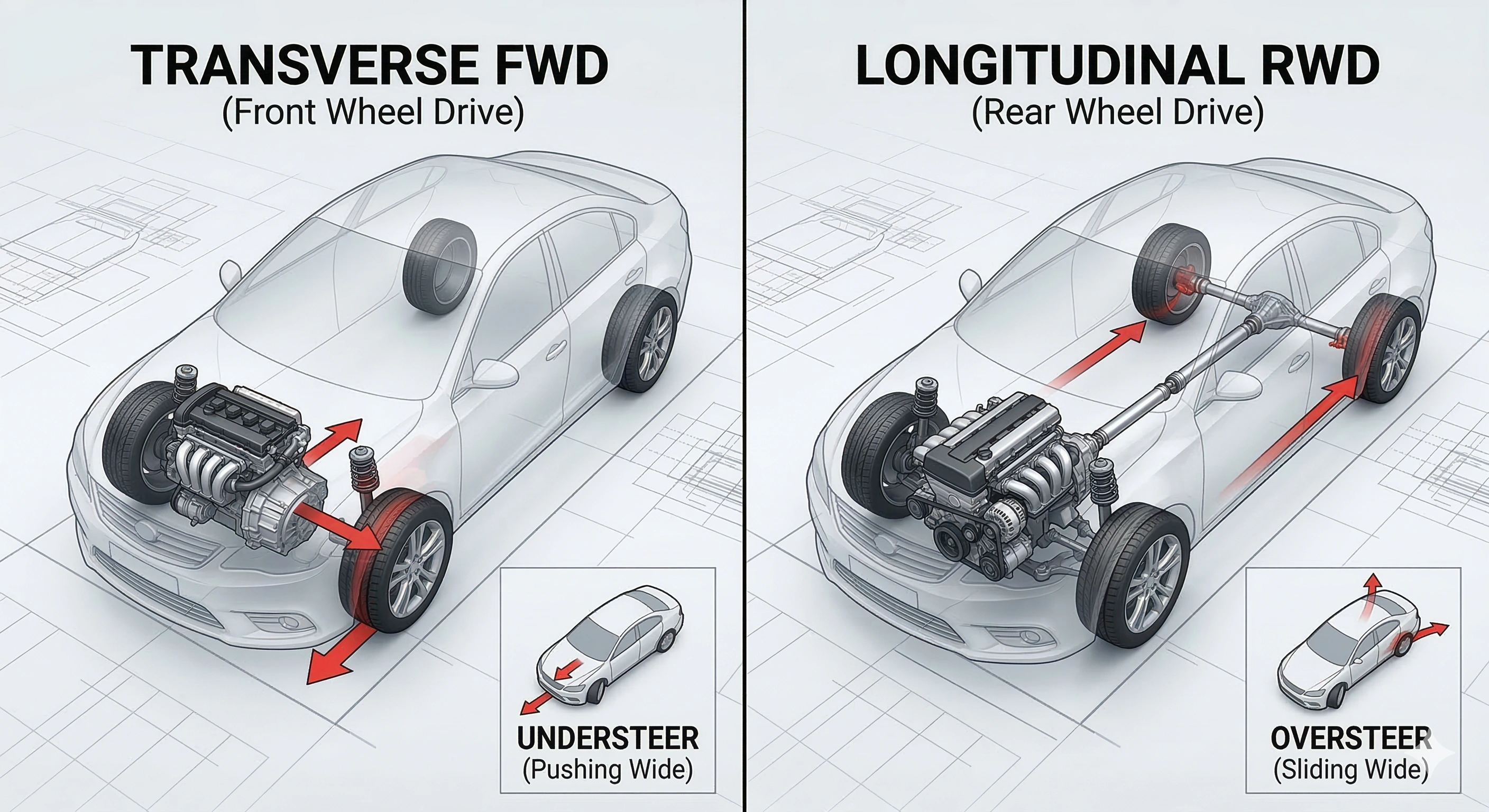 Following our discussion on steering drift, let's dive deep into Transverse FWD and Longitudinal RWD layouts. Understand the fundamental differences in handling limits, cabin space, and daily driving experiences.
 -
Why Does My New Car's Steering Wheel Drift? Flaw or Normal Phenomenon?
 Is a slightly off-center steering wheel on a new car a defect? This article explores 4 common reasons: Road Crown, Torque Steer, EPS Zero Point settings, and Factory Alignment, helping you understand the automotive engineering and physics behind it.
 -
Fuel Additive Mixing Ratio Chart: Red Line SI-1 / Chevron / 3M / DIY Formula
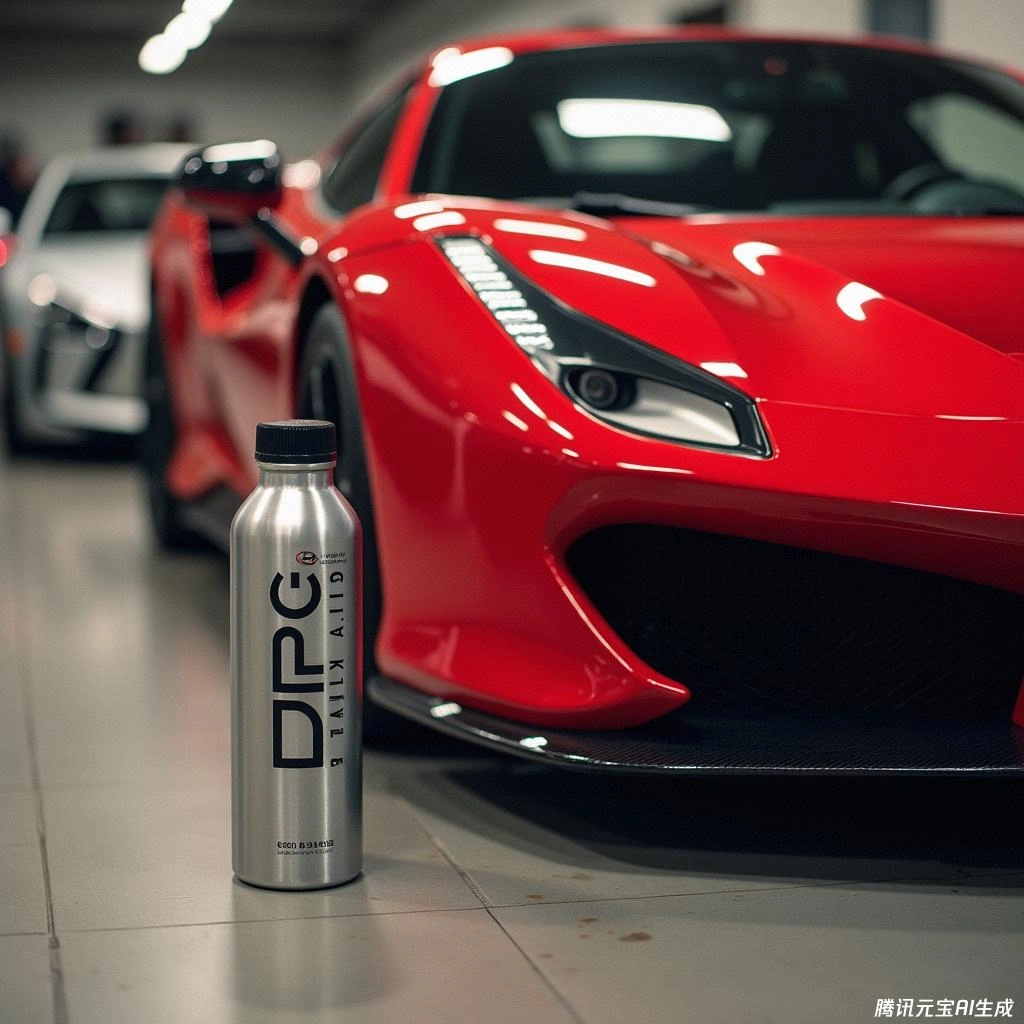 Confused about how much fuel additive to add? This article summarizes the optimal mixing ratios for Red Line SI-1, Chevron Techron, 3M Water Remover, and DIY mixing formulas (DPC). All values have been converted to Liters/Milliliters for quick reference at the gas station.
 -
Why SAE J537 Testing is Meaningless for Lithium Batteries
 Manufacturers claim their lithium batteries are superior because they pass SAE J537? That's misleading. This article analyzes why lead-acid standards don't apply to LiFePO4 and reveals the fatal risk of 'Lithium Dendrite' growth caused by cold charging. Don't be fooled by marketing hype that only tests discharge but ignores charging safety.
 -
How to Calculate Foam Cannon Ratios? PIR Guide and Car Shampoo Dosage Analysis
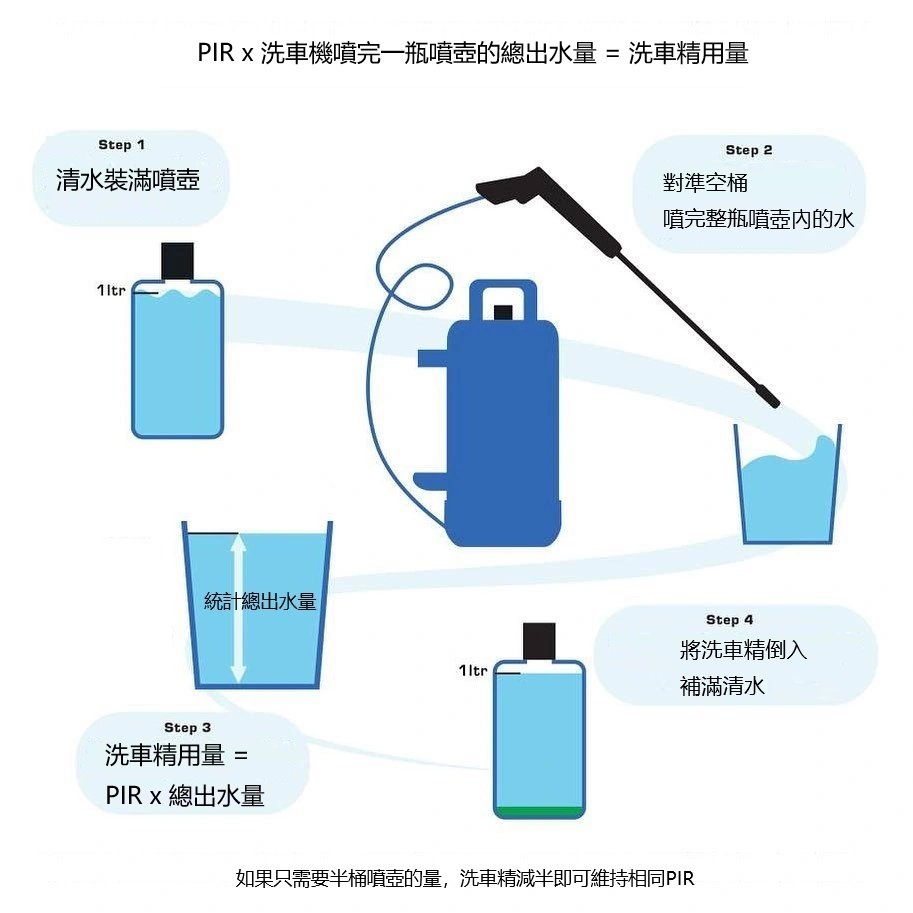 How much car shampoo should you add to your foam cannon (Snow Foam Lance)? This article explains the PIR (Panel Impact Ratio) formula in detail. By measuring the actual water output of your pressure washer, you can precisely calculate the dilution ratio to achieve the manufacturer's recommended foam concentration.
 -
Beginner's Guide to Car Detailing DIY: Washing Steps and Best Value Product List (2025 Update)
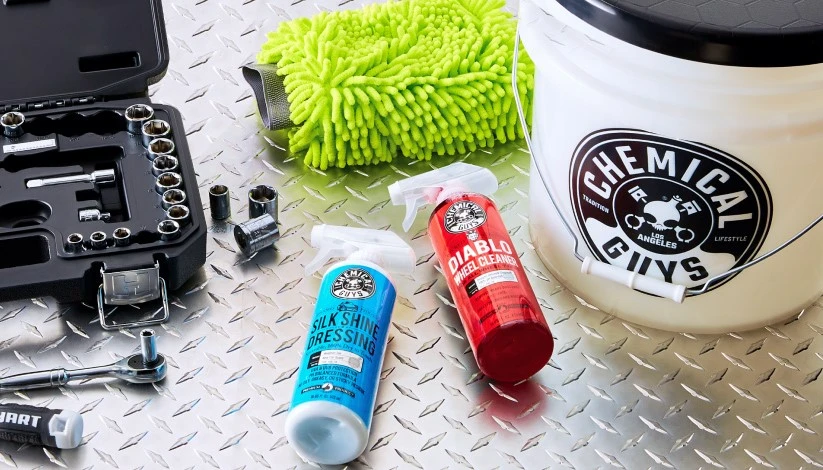 Confused about what to buy for your first DIY car wash? This guide covers the complete SOP from interior cleaning to exterior polishing, sealing, and waxing. Includes a high-value product recommendation list featuring Meguiar's, Turtle Wax, Collinite, 3M, and more.
 -
Shell Helix Ultra X 5W-30 Review - Balancing Quietness and Performance (2026 API SQ Update)
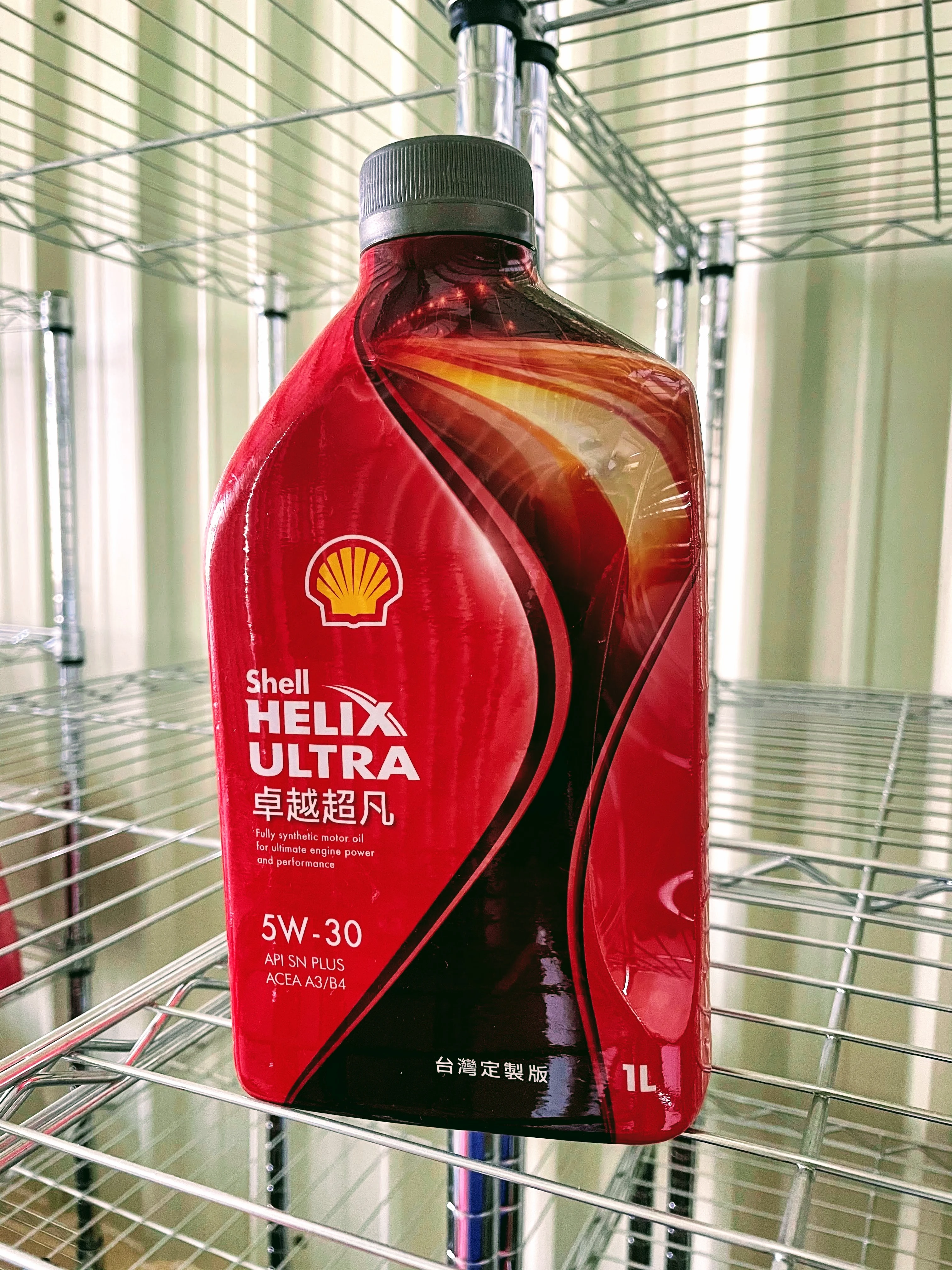 Real-world test of Shell Helix Ultra X 5W-30 on a Mercedes-Benz W205 C300. Reviewing warm-up time, quietness, and acceleration response after 7,500 km. Updated with 2026 API SQ standards and GTL base oil benefits.
 -
Tire Label Comparison (EU, Japan, Taiwan) | Wet Grip, Fuel Efficiency Ratings & Pressure Conversion
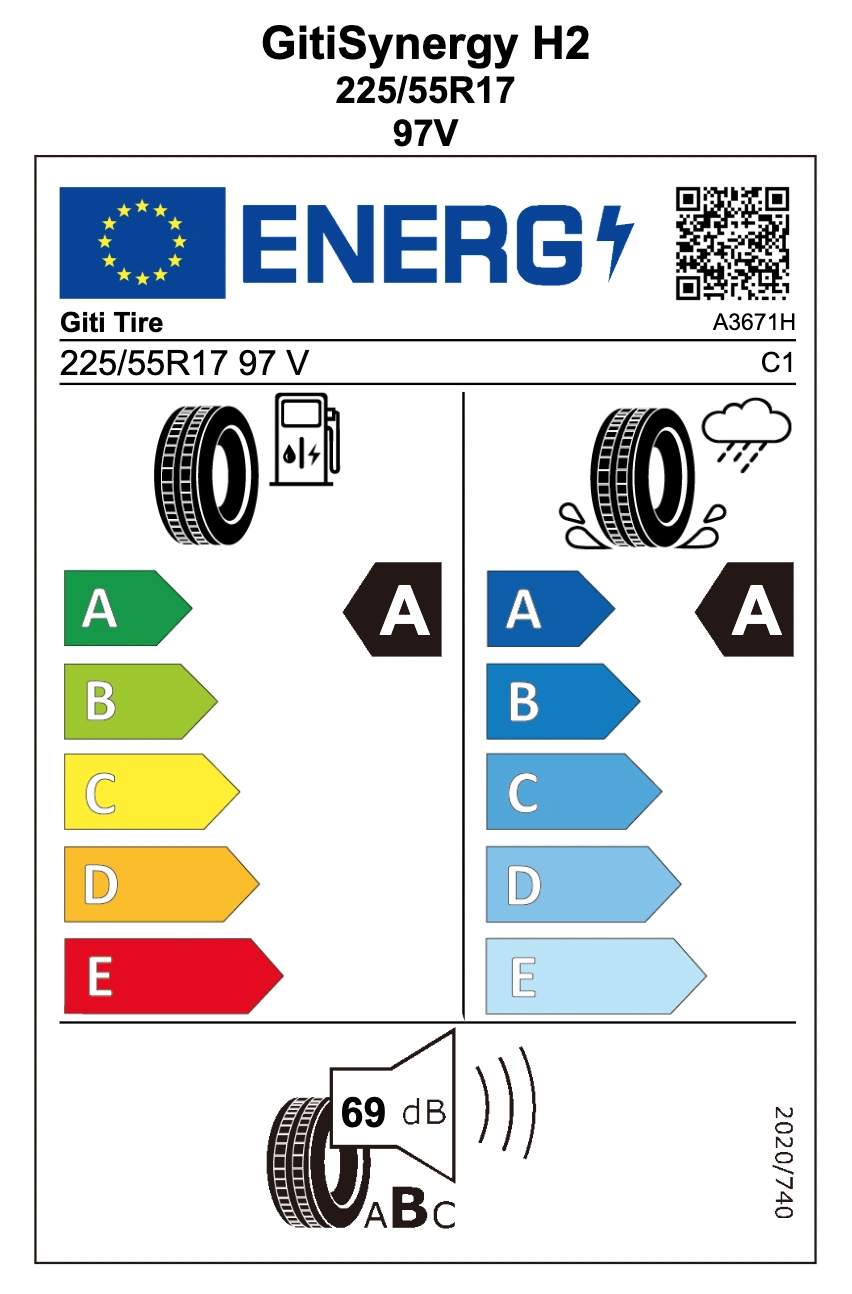 A must-read before buying new tires! Learn how to look up EU and Japanese tire labels to avoid tires with poor wet grip. Includes comparison tables for Wet Grip, Rolling Resistance (RRC), and a Mercedes-Benz OEM tire pressure conversion chart (PSI/Bar/kPa).
 -
W205 Oil Journey (6) - Mercedes-Benz Engine Oil Approval Specifications
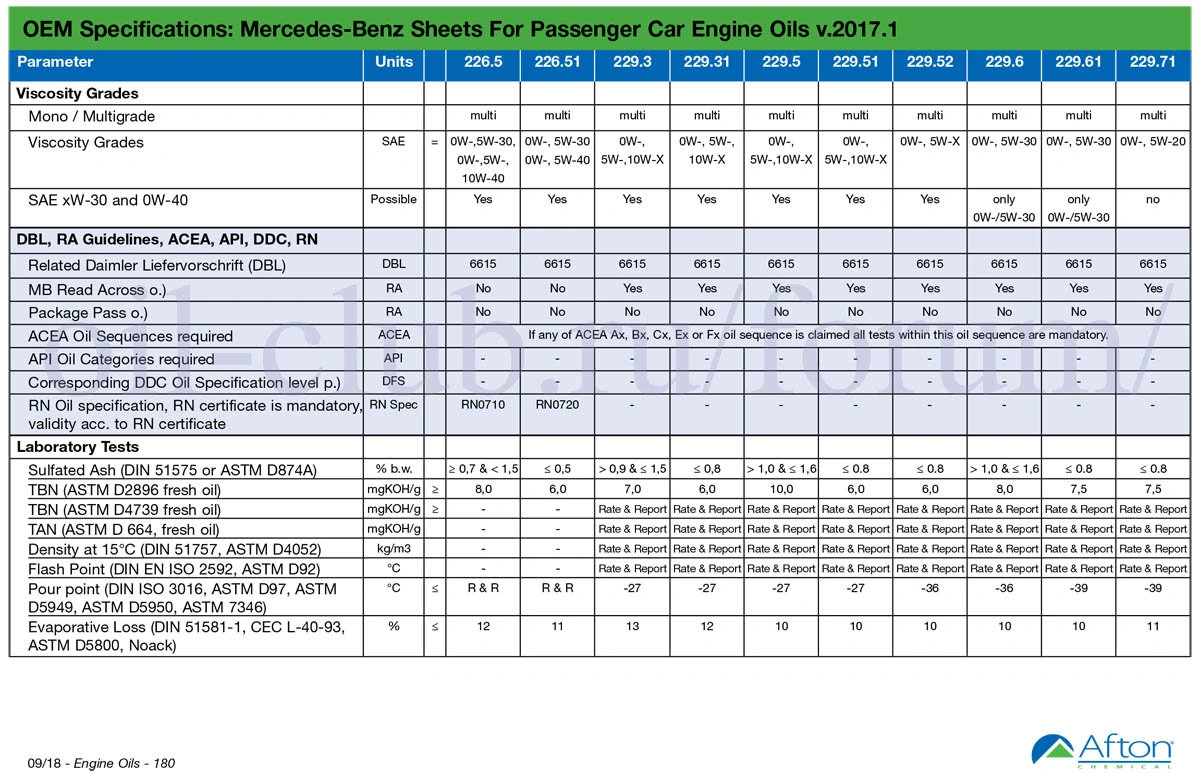 What exactly are the differences between MB 229.5, 229.52, and the latest 229.71? This article summarizes performance data from Oil Club, providing a clear comparison of wear protection, fuel economy, and deposit control across different Mercedes-Benz oil generations.
 -
W205 Oil Journey (4) - Understanding Engine Oil Parameters
Don't let marketing hype fool you. This article explains the difference between the latest API SQ/SP standards and OEM approvals (MB 229.5). Learn how to distinguish genuine 'Approvals' from fake ones, and dive deep into metrics like HTHS, TBN, and Noack volatility. -
Tire Rotation Guide | NHTSA/JATMA Recommended Patterns for FWD, RWD, and AWD
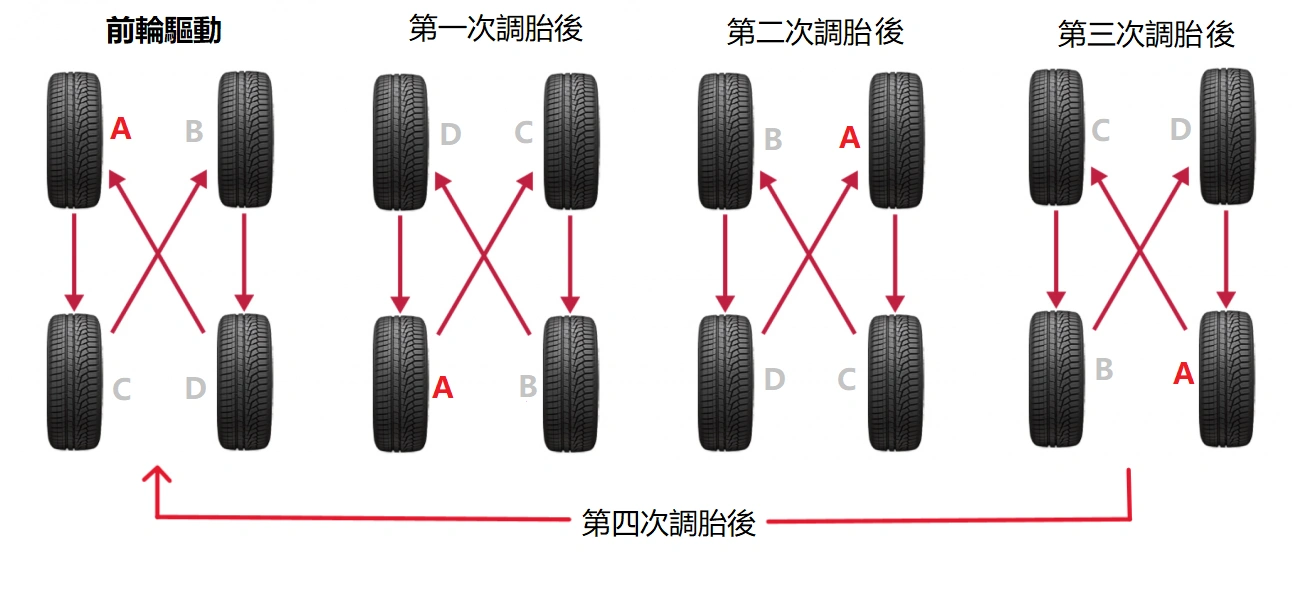 Rotating tires every 5,000 km extends tire life and prevents uneven wear. This guide summarizes the standard rotation patterns recommended by NHTSA and JATMA for FWD, RWD, and AWD vehicles.
 -
W205 Oil Journey (1) - Major Oil Brands - Oil Finder Tools
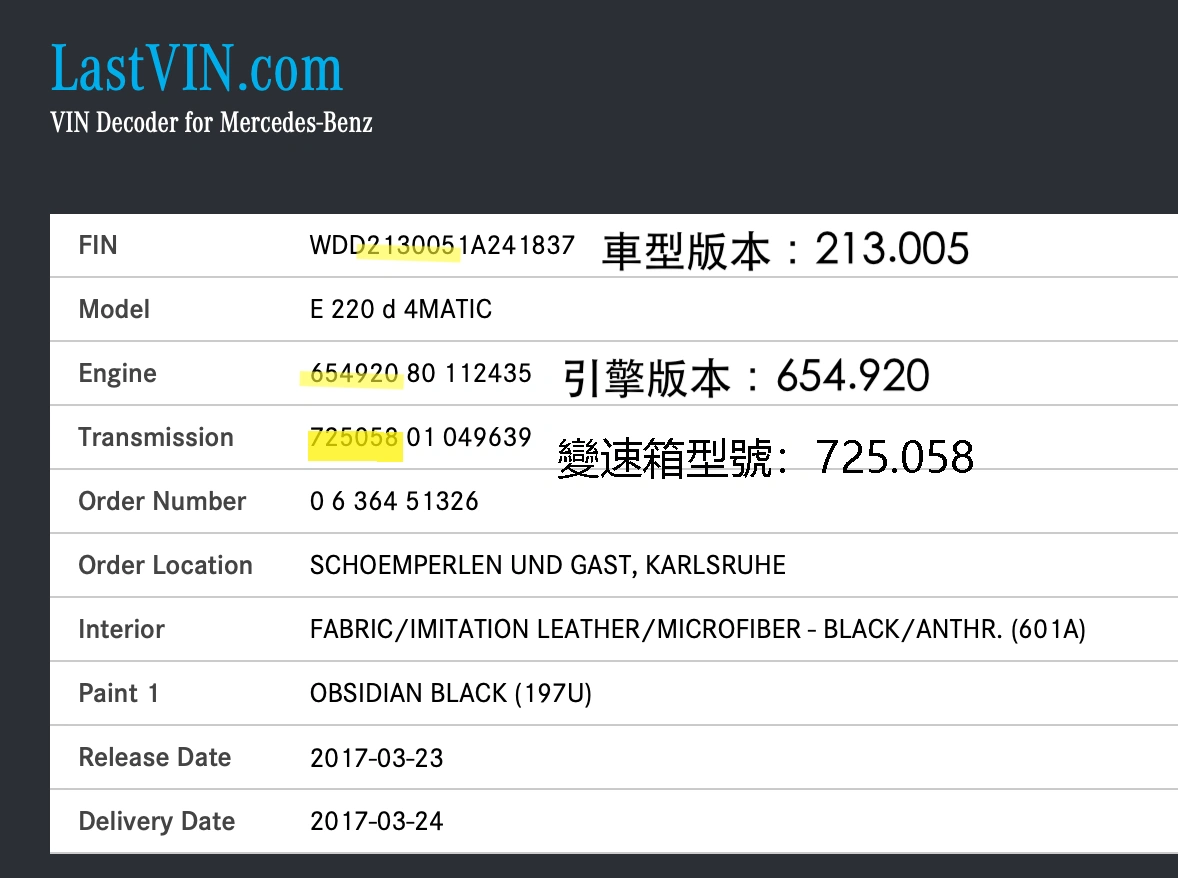 Looking for engine oil specs for your Mercedes-Benz W205? This article compiles official Oil Finder tools from 12 German and global oil manufacturers. Learn how to verify your engine code via VIN and determine the best oil change interval based on TBN and MB 229.5/229.51 approvals.
subscribe via RSS