The Impact of Battery C-rate on Fuel Efficiency and Alternator Lifespan
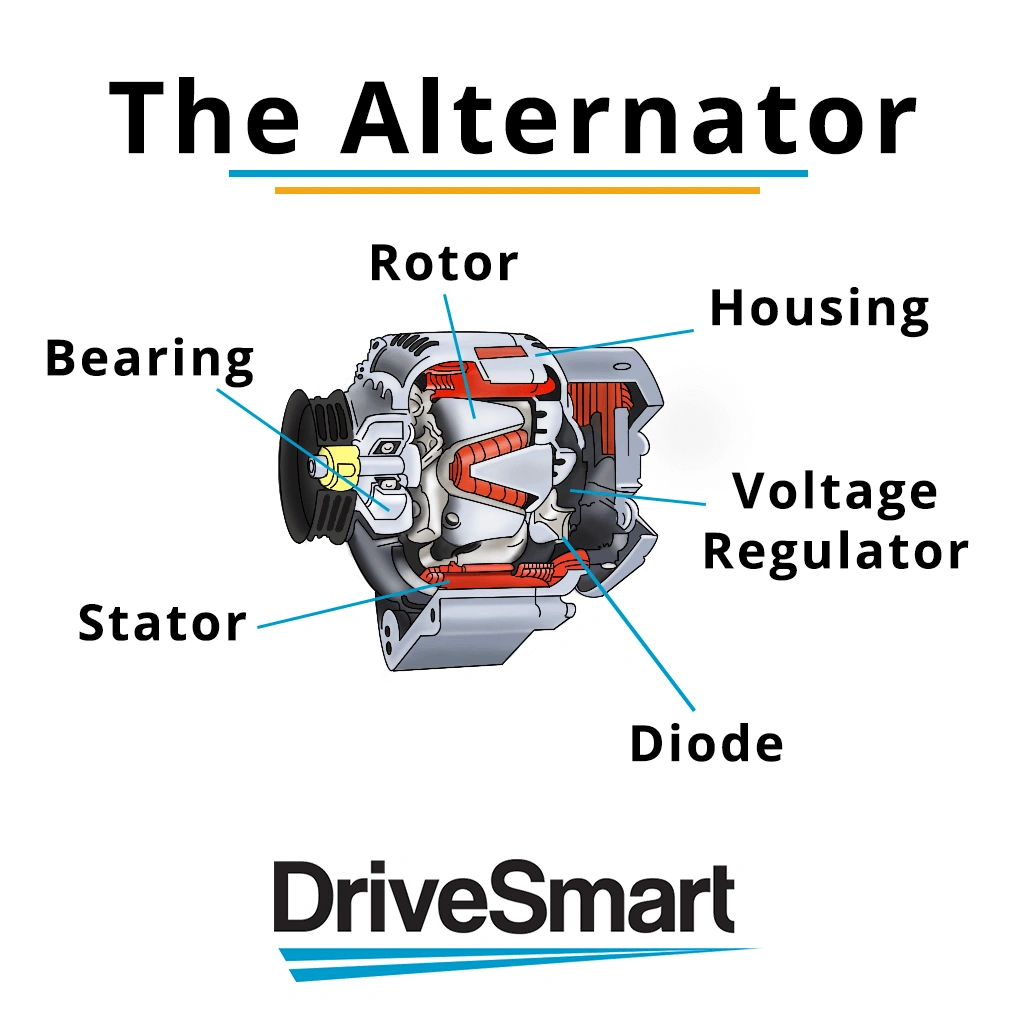
Factors Affecting Alternator Lifespan
The primary consumables that determine an alternator’s life are:
- Carbon Brushes: These wear down as the alternator rotates.
- Bearings: Subject to mechanical wear over time.
- Rectifier: Converts AC to DC; its lifespan can vary.
Charging Control Technology and C-rate
A car alternator’s rotor is essentially an electromagnet. By changing the strength of the magnetic field, the system regulates power output. When more electricity is required:
- Magnetic field strengthens → Rotor resistance increases → Engine load increases → Fuel consumption rises.
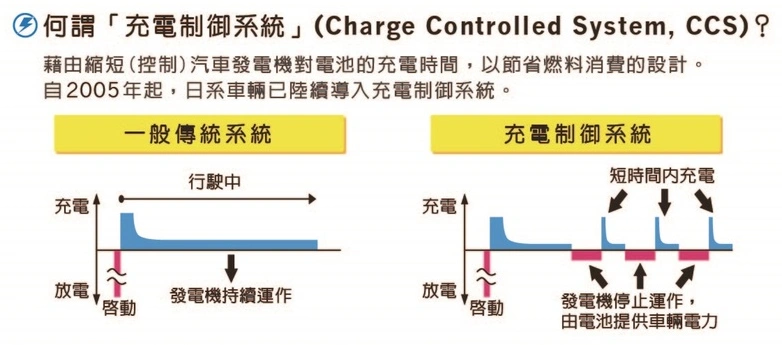
To save energy, modern manufacturers introduced Charging Control Technology:
The alternator only generates high output when the battery level is low. Once the battery is full, the system cuts power to the rotor’s electromagnet, allowing the alternator to spin freely with almost zero resistance.
How C-rate Influences Charging Efficiency
C-rate determines how quickly a battery can “absorb” electricity.
- High C-rate Battery (e.g., LiFePO4): If the alternator outputs 10A, the battery might absorb 8A.
- Low C-rate Battery (e.g., Lead-Acid): If the alternator outputs 10A, the battery might only be able to absorb 2A.
Because a high C-rate battery is much more efficient at “taking in” the charge, the alternator can complete its task and return to the “free-spin” mode much sooner. This reduces the total time the engine is under the extra load of the alternator, leading to better fuel economy and reduced wear on the alternator’s carbon brushes.
Why LTO Isn’t Always the Answer
While Lithium Titanate (LTO) offers an even higher C-rate and longer cycle life than LiFePO4, it is often not the best choice for a standard car starter battery:
- Voltage Mismatch: The nominal voltage of LTO cells doesn’t always pair well with the 12.6V–14.4V range of traditional vehicle alternators.
- Energy Density: LTO batteries are significantly heavier and bulkier for the same capacity compared to LiFePO4.
- Cost: The price-to-performance ratio for a simple starter application is usually lower than that of a well-designed LiFePO4 system with a robust BMS.
Summary
Choosing a battery with a higher C-rate isn’t just about starting the car; it’s about optimizing the entire electrical ecosystem of your vehicle. By reducing the “active” time of the alternator, you are effectively saving fuel and protecting one of the most expensive peripheral components of your engine.